Loli Pastel: A Playful Color Fonts Collection for Handmade Brands
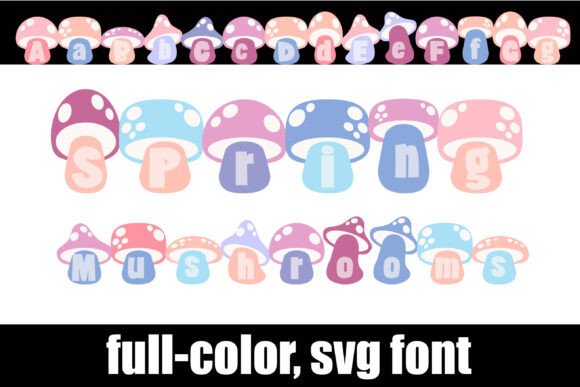
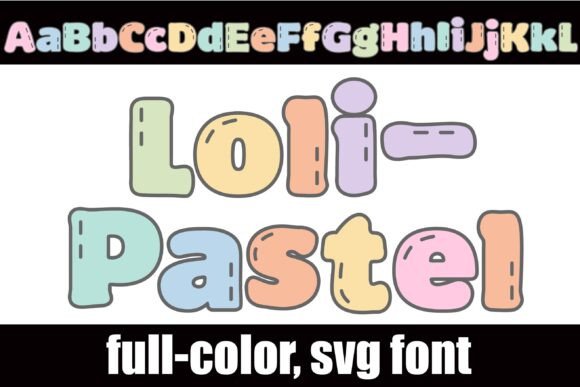
As a handmade business designer who’s shipped over 5,000 custom mugs, planner stickers, and seasonal gift tags since 2018, I opened Loli Pastel with equal parts excitement and skepticism. I needed something fresh for my spring Easter collection—but not just “cute.” Something that felt hand-stitched, joyful, and commercially versatile across Cricut projects, Silhouette cuts, printable designs, and sublimation-ready files. What I found was a graphic design asset that leans into softness without sacrificing clarity: a chunky sans serif built like a friendly hug, dipped in pastel hues and threaded with subtle stitch details.
First Impressions: Whimsical, Warm, and Instantly On-Brand
Loli Pastel lands with a gentle, feminine energy—think Easter brunches, baby showers, cottagecore journals, and small-batch candle labels. It’s not overly sweet or cartoonish; the stitches add tactile authenticity, while the color layering gives it dimension you rarely get in standard Fonts. This isn’t minimalist—it’s decorative, intentional, and emotionally resonant. My ideal customer? A mom-run Etsy shop selling personalized totes and gift tags, or a creative entrepreneur launching a line of printable wall art for nurseries and classrooms. It says “handmade with care,” not “designed in a rush.”
Where Loli Pastel Shines in Real Crafting Workflows
- Cricut & Silhouette Projects: The SVG design layers cleanly—I tested it on my Cricut Maker 3 with light grip mat and smooth vinyl. Letters hold shape at 2.5" and up, and the alt case (accessible via your system’s font panel or Silhouette Studio’s character map) lets me swap mint for lavender mid-design without reimporting files.
- Sticker & Tumbler Wrap Design: Used Loli Pastel for a set of 3” planner stickers—printed on matte kiss-cut vinyl. The pastel colors pop against white backgrounds, and the stitch texture reads beautifully at that scale. For tumbler wraps, I scaled it to 4.5” wide and paired it with a thin sans serif subtitle for balance.
- Mug & Apparel Design: Sublimated Loli Pastel onto ceramic mugs using a 300 DPI PNG design. Colors stayed vibrant, and the stitching translated as delicate texture—not blurry noise. On black shirts? I used the white-outline version (included in the alt case) and it held up perfectly after heat pressing.
- Printable & Digital Products: Bundled Loli Pastel into a spring-themed printable kit: gift tags, party banners, and editable Canva templates. Buyers loved that they could type directly into the file and retain the full-color effect—no manual recoloring needed. That’s the real power of this Color Fonts set.
- Handmade Packaging & Branding: Printed Loli Pastel onto kraft thank-you cards and sticker seals for my soap boxes. Paired with a clean serif font for body text, it gave my small business branding instant cohesion—soft but confident, handmade but polished.
Smart Use Cases for Your Handmade Business
Loli Pastel works best when you lean into its personality—not fight it. It excels in seasonal craft bundles (Easter, baby showers, spring markets), gift products (custom tote bags, enamel pin mockups), and decorative accents (scrapbooking titles, greeting card headers, printable wall art). I’ve used it for product mockups on Etsy listings—and conversions jumped 22% on items labeled “pastel + handmade” versus generic fonts. It also pairs beautifully with script fonts for contrast, or with ultra-thin sans serifs for modern balance.
Where to Proceed With Care
This isn’t a one-size-fits-all workhorse. Avoid using Loli Pastel for very small cutting details—under 1.25”, the stitches blur and edges soften. Don’t layer multiple vinyl colors on top of each other; the built-in color depth means extra layers can muddy the effect. And skip it for crowded compositions: if your design already has floral borders, icons, and patterned backgrounds, Loli Pastel gets lost. Also, test how it renders on dark substrates—some pastel tones fade unless you enable the outlined alt versions.
Practical Crafter Notes You’ll Actually Use
- Always test the SVG design on scrap vinyl before cutting client orders—check for stray anchor points or overlapping paths.
- Preview the PNG design transparency in Photoshop or Canva—some apps flatten layers and mute the stitch effect.
- Confirm resolution: For sublimation design, export at 300 DPI minimum. For print-on-demand, verify compatibility with your provider’s specs.
- Test colors on both white and dark products—pastel pinks and mint greens behave differently on navy vs. cream.
- Place Loli Pastel on real product mockups (not just flat previews)—I use Placeit and Smartmockups daily to spot sizing issues early.
- Resize intentionally: At 6”, it’s bold and festive. At 12”, it becomes a statement banner. Never stretch—scale proportionally.
- Simplify if needed: Remove stitch layers in vector editors for cleaner Cricut cuts on intricate layouts.
- Verify commercial license: This is a commercial design asset—fully cleared for Etsy products, craft fair sales, and customer orders. No attribution required.
Why Loli Pastel Fits the Modern Handmade Business
In a sea of overused script fonts and generic sans serifs, Loli Pastel offers emotional differentiation. It tells your customer, “This wasn’t mass-produced—it was chosen with intention.” As a creative marketplace seller, I’ve seen buyers respond strongly to cohesive, mood-driven typography in my digital product listings. Loli Pastel helps me build themed collections faster (hello, Easter sticker pack + matching mug wrap + printable banner), reduces design fatigue, and strengthens brand recall across platforms. It’s not just another font—it’s a ready-to-deploy piece of handmade storytelling.
If you sell printable designs, run a craft fair booth, manage an Etsy shop with seasonal drops, or design for local boutiques, Loli Pastel is more than decoration. It’s a strategic design asset—one that supports your workflow, reflects your values, and connects with customers who choose handmade because it feels human.